Once used primarily to track vehicles, fleet technology has evolved into a powerful tool for managing everything from driver behaviour and fuel consumption, to electrification and charging strategies. With AI taking these capabilities to the next level, there are now even smarter ways to run a fleet. So which fleets are reaping the rewards?
For decades, fleet management relied heavily on manual record-keeping and reactive decision-making. Today, advances in telematics, artificial intelligence (AI) and connected vehicle technologies are changing that picture dramatically, giving fleet operators even better visibility over vehicles, drivers and operations and helping them improve both productivity and compliance.
The rise of connected fleets
By collecting and analysing real-time vehicle data, telematics systems provide fleet managers with detailed insights into fuel consumption, vehicle location, maintenance requirements, mileage, speed and driver behaviour. This information allows operators to identify inefficiencies, improve route planning and reduce operating costs. Rather than relying on assumptions, fleet managers can make decisions based on objective data.
Safety is another major benefit. Monitoring harsh braking, speeding, excessive idling and aggressive cornering enables organisations to identify risky driving behaviours and introduce targeted training programmes. The result is often fewer accidents, reduced insurance claims and lower vehicle wear and tear.
The technology is also proving invaluable as fleets begin the transition to electric vehicles. By analysing vehicle usage patterns, mileage and dwell times, telematics can identify which vehicles are suitable candidates for electrification and where charging infrastructure will be required.
AI enters the fleet
While telematics provides the data, AI is increasingly providing the intelligence.
As fleet operations become more complex, AI is helping organisations process vast quantities of information that would be difficult to analyse manually. Modern AI platforms can identify trends, predict future outcomes and generate recommendations within seconds.
Fleet operators are already using AI to forecast maintenance requirements, optimise routes, reduce fuel consumption and improve vehicle utilisation. Increasingly, these systems are also being used to support decarbonisation strategies.
For organisations considering electrification, AI can analyse years of operational data to determine which vehicles should be replaced first, estimate charging requirements and model the financial impact of transitioning to electric vehicles. Some systems can even simulate vehicle-to-grid (V2G) charging scenarios and assess whether expensive grid upgrades can be avoided.
This provides fleet managers with a clearer understanding of long-term costs and savings before major investment decisions are made.
For smaller organisations without dedicated fleet analysts, AI and fleet technology is proving particularly valuable.
TBL Fire Protection, for example, has used telematics data, journey profiling and driver insights to identify which vehicles would best be suited to electrification, and has now introduced 10 electric vans into its 42-vehicle fleet.
Better fuel economy
Cold-chain logistics specialist Chiltern Distribution installed a connected fleet management platform across its 55 HGVs as part of an effort to reduce emissions and improve efficiency. The company reported a 1.5 per cent improvement in fuel economy alongside a two per cent reduction in fuel consumption, supported by route optimisation and driver behaviour monitoring. For a fleet that covers more than 87,000 miles each year, these improvements translate to significant CO2 savings.
The system also provides real-time visibility of vehicles, automated compliance reporting and detailed driver performance data, allowing managers to identify areas for improvement and target training where needed.
At electrical retailer Currys, driver coaching technology has delivered efficiency and safety gains. Across more than 670 vans, the company recorded a 10.8 per cent increase in fuel efficiency, an almost 11 per cent reduction in CO2 emissions and a five per cent decrease in vehicle idling since the technology was implemented in 2016. These improvements contributed to annual fuel savings exceeding £400,000.
A key factor was the use of real-time feedback rather than retrospective reporting. Drivers receive instant alerts encouraging smoother acceleration, braking and cornering, helping to improve performance while reducing fuel consumption.
Tech for charge management
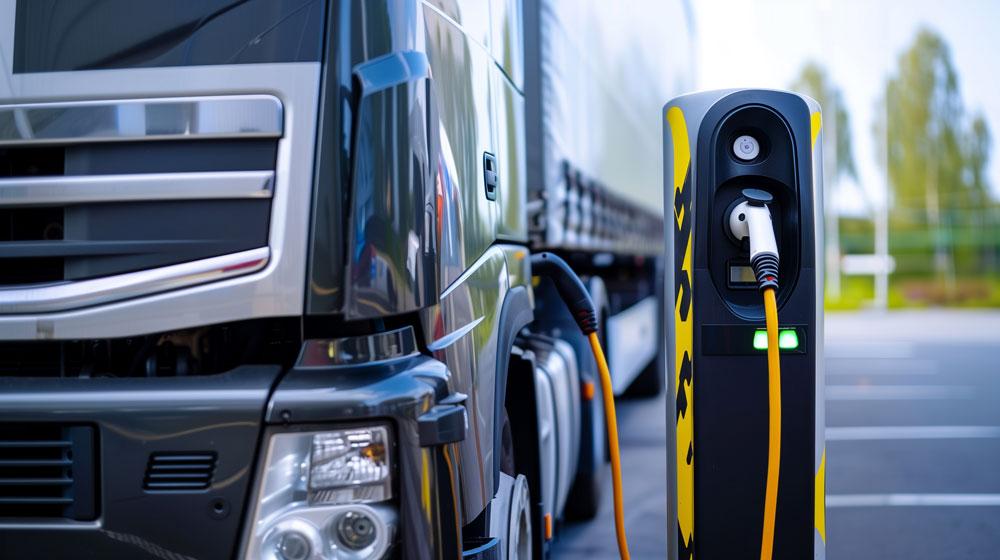
Technology can also be used to manage electric vehicle charging operations efficiently.
The Metropolitan Police Service (MPS) operates around 5,500 vehicles, with approximately 30 per cent already electric or hybrid. The force plans to add a further 250 electric and hybrid vehicles and motorcycles over the next year as it works towards a carbon net-zero fleet by 2030.
To support this transition, the MPS is using a new charge management system, providing a central platform to oversee charging operations across depots and public charging networks. The software gives fleet managers real-time visibility of charging activity, showing which vehicles are charging, ready for deployment or require attention.
For organisations operating mission-critical fleets, where vehicle availability can directly affect frontline services, charge management is vital.
Geoanalytics and machine learning
Openreach, which operates the UK’s second-largest commercial fleet of around 24,000 vans, has expanded its use of AI and cloud-based analytics to improve fleet efficiency, accelerate electrification and reduce emissions across its nationwide operations.
By combining telematics data with advanced geoanalytics and machine learning tools, Openreach can identify where electric vehicles can be deployed most effectively based on real-world driving patterns, route requirements and charging availability. The approach has helped accelerate EV adoption across the fleet, with additional electric vehicles estimated to remove around 10,000 tonnes of CO2 emissions annually.
The company is also using AI to identify the causes of excessive mileage and vehicle idling, improve vehicle utilisation and reduce vehicle-off-road time through predictive maintenance insights. Rather than simply reporting what has happened, the technology enables fleet managers to anticipate problems and make proactive operational decisions.
Perhaps most significantly, Openreach has created a digital twin of the UK’s transport corridors, combining information on 35 million homes and businesses with road, rail and waterway networks alongside its own infrastructure data. Powered by AI, the system allows planners to model future network expansion and identify opportunities to deploy resources more efficiently.
Improving safety through data
Construction materials company Tarmac has demonstrated how integrated telematics and video systems can transform fleet risk management.
Operating a fleet of more than 2,000 vehicles, the company introduced a combined camera and telematics platform that provides managers with real-time access to both driving data and video footage.
Within 12 months, Tarmac reduced driver-fault collisions by 30 per cent, cut speeding incidents by half and achieved a 25 per cent improvement in fuel economy across its van fleet. The proportion of high- and medium-risk drivers fell from 40 per cent to just 6.5 per cent.
The integration of video evidence has also improved insurance claims management, helping establish liability more quickly and reducing repair costs.
The challenges ahead
Despite the opportunities, the increasing use of AI and connected technologies raises important questions
Data security remains a key concern, particularly as fleet operations become increasingly reliant on cloud-based platforms. Organisations must ensure sensitive operational information is protected against cyber threats and unauthorised access.
Privacy is another consideration. Many telematics systems collect detailed information about driver behaviour, vehicle movements and, increasingly, video footage. Striking the right balance between operational oversight and employee privacy will remain an important challenge.
Industry experts also stress that AI should support human decision-making rather than replace it. While algorithms can identify patterns and make recommendations, strategic decisions still require human judgement and oversight.