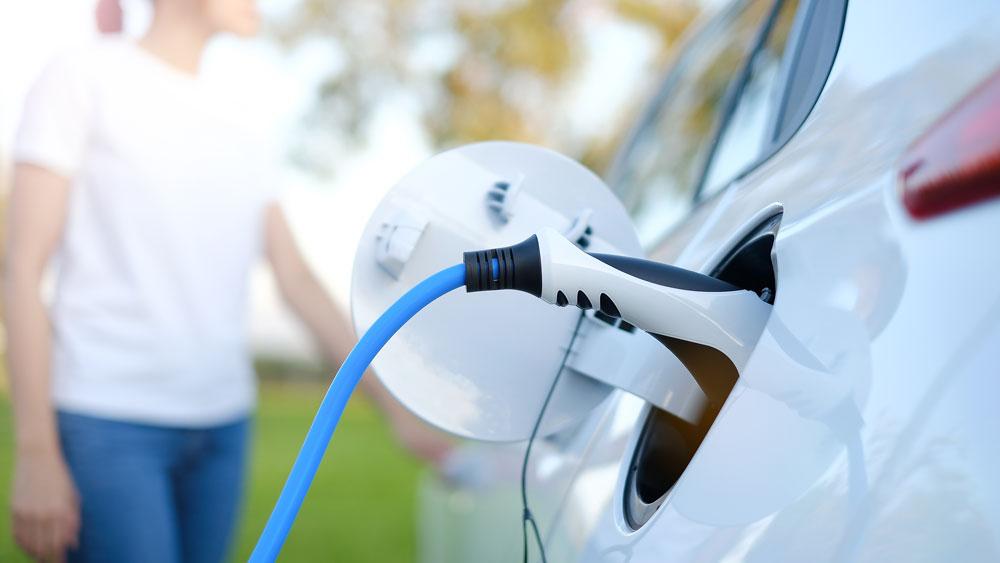
Zemo Partnership and is highlighting how people with home chargers can provide affordable local charging for neighbours without off-street parking - while earning money from chargers that would otherwise sit unused.
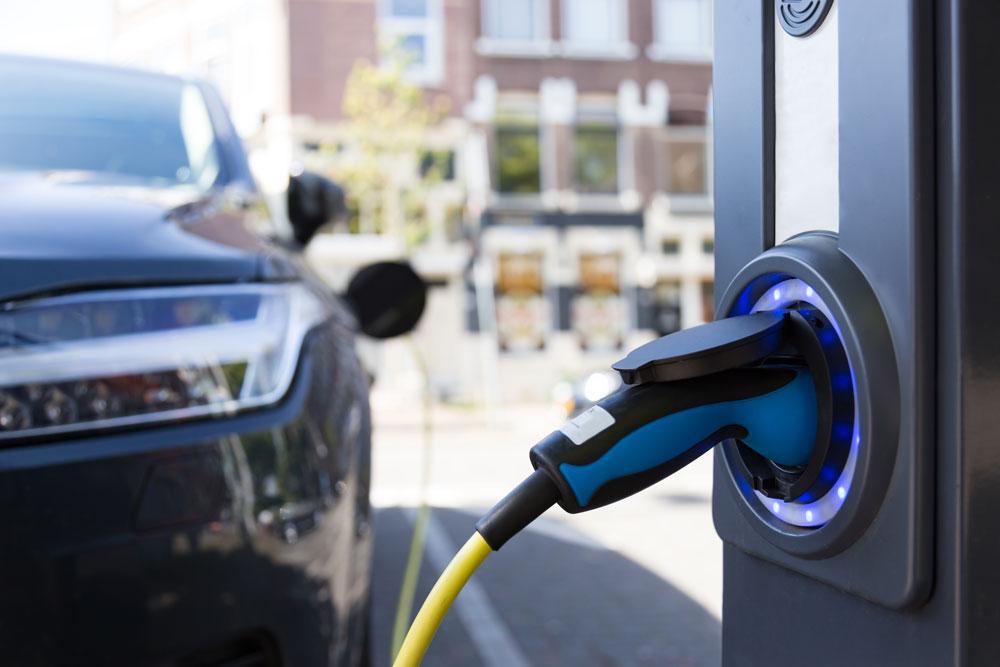
Charger sharing, arranged through simple, dedicated apps, gives drivers without home charging a local place to plug in potentially at a significantly lower cost than public charging alternatives, and gives people with home chargers a financial incentive to share.
There are now more than 2 million fully electric cars and vans on UK roads, and most drivers with access to home charging do most of their charging at home. Zapmap estimates that there were 1.4 million home chargepoints in the UK at the end of 2025 and much of this private charging capacity is used only once or twice a week.
Public charging continues to expand and will remain essential, particularly for longer journeys. However, the cost of charging remains an important consideration for drivers without access to home charging.
Against this backdrop, charger sharing offers a complementary way to make better use of existing charging capacity and provide more affordable local charging for drivers who cannot charge at home.
Pricing structures and options vary significantly between platforms. Hosts can usually set their own prices, and depending on the platform this can include a minimum amount per kWh of energy and a parking charge. Similarly, different platforms charge different fees, and some charge a subscription. Hosts can choose and try out the platforms that suit them best.
Drivers can book, plug in and walk home while their vehicle charges overnight. In a 2025 survey conducted by one charger-sharing platform, 92 per cent of respondents said that knowing a nearby shareable charger would be available had positively influenced their decision to go electric.
Hosts can earn money from sharing the chargers. Based on figures from one charger-sharing platform, hosting a single regular private driver could earn around £200 a year after fees and electricity costs, while hosting three or four drivers could generate additional income of around £600 to more than £1,000 a year, depending on usage and pricing.
Money is not the only motivator. Research by University College London suggests many hosts also want to help neighbours switch to an EV or support cleaner air locally.
Jonathan Murray, MD of Zemo Partnership said: “Access to convenient home charging is one of the biggest advantages for people who can install a charger – and one of the biggest barriers for those who can’t. If we are serious about making EV ownership accessible to more people, we need to make better use of the charging capacity we already have.
“Sharing existing home chargepoints is a simple, low-cost approach that can make local charging more accessible while giving hosts a worthwhile return. It can complement the continued roll-out of public charging, rather than replace it.”
Organisations including The AA, Corpay, EVA England, Uber and Zapmap are supporting efforts to raise awareness of charger sharing among private chargepoint owners.
Edmund King OBE, AA president, said: “Sharing home chargers that are sitting idle most of the time could be a gamechanger to level the playing field between drivers who have a driveway and those who don’t.
“Charger sharing is a simple but clever way of making better use of current infrastructure. It could help neighbours save money, give charger owners a little extra income and make switching to electric a realistic option for more drivers.
“Sometimes the smartest solutions are the simplest. Rather than leaving millions of chargers empty for much of the week, why not share the benefits, and help more drivers go electric?”
Vicky Edmonds, CEO of EVA England, said: "Our research shows half of petrol and diesel drivers are holding back on buying an EV because of issues like the cost of public charging. For drivers who don't have a driveway, being able to access the cheaper charging rates that their neighbours with a private chargepoint can, may be central to their decision on whether to go electric or not. Charger sharing is a real option for these drivers, but one that doesn't get talked about enough. This campaign will be vital in raising awareness of the benefits of charger sharing, persuading more households to try it out, and help unlock the significant pent-up demand we see for electric cars."
Tom Rowlands, MD Global EV Solutions, Corpay, including UK brand Allstar, added: “At Allstar, our vision is to help make the transition to electric vehicles practical and accessible for more businesses and drivers. That means supporting EV adoption with charging solutions that work around different operational needs.
“For our customers, near-home charging doesn’t just mean lower costs, it means convenient charging for drivers and greater confidence that EVs can fit seamlessly into everyday operations. By giving businesses and their drivers more choice over where they charge, we can help remove some of the practical barriers to making the switch to electric.”
Several charger-sharing platforms are now available, offering different approaches to hardware, pricing and booking. Drivers and hosts should compare the options available in their area and choose the service that best suits their circumstances.