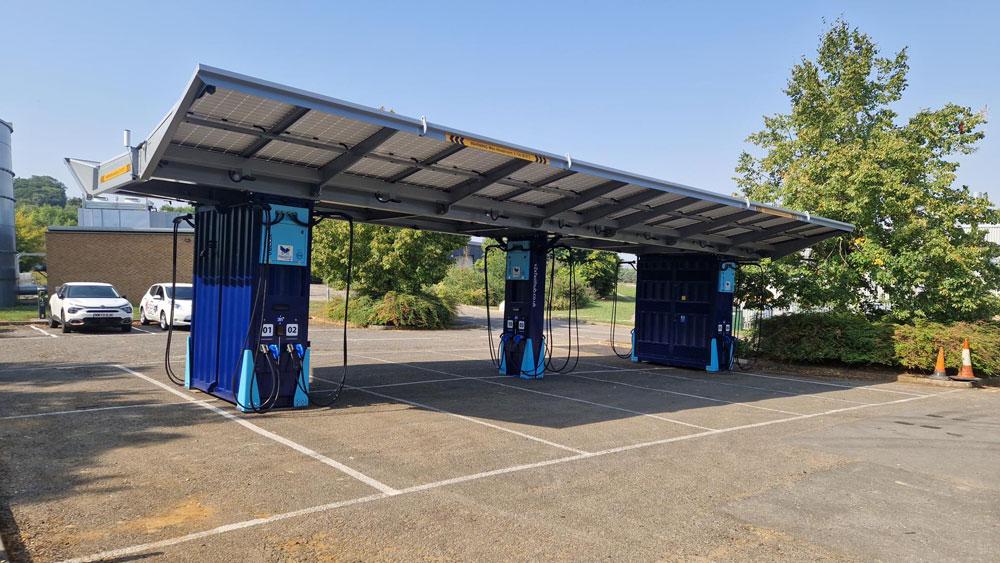
Recent analysis has shown that just 28.6% of public charging bays can be classified as ‘accessible’, with a total width of at least 360cm, according to requirements set by British Standards.
Motability Operations used an independent surveyor to explore the widths of bays, raised kerbs, and obstructions of charging bays across 95% of Britain’s motorway service stations.
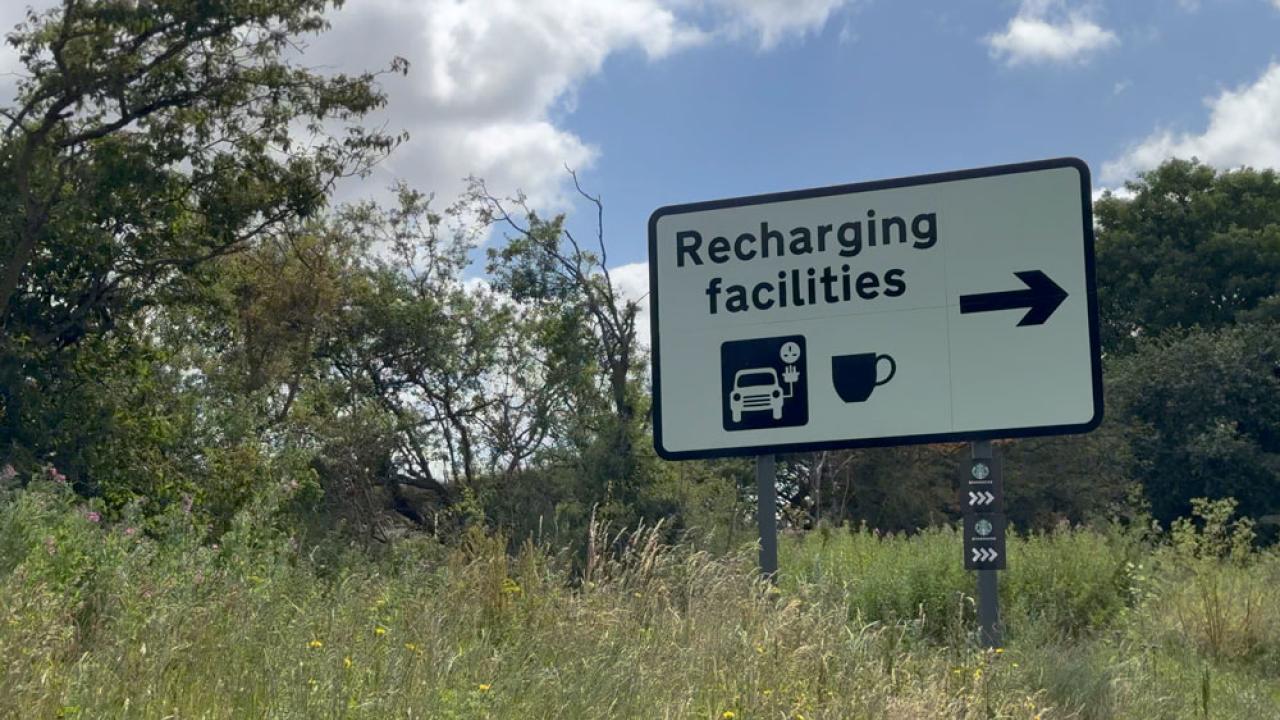
The analysis found there are 11 service stations with no accessible charging bays, representing approximately one in eight of the country’s service stations.
The shortage of accessible charge points is a challenge for motorway drivers across all regions. Only the East of England and the North West significantly outperform the national average, with 43% and 40% of their charging bays deemed accessible, respectively.
The worst performing region of the country is the North East of England, where just 16% of charging bays on motorways are accessible.
The fifth wave of the Motability Scheme’s EV Transition Tracker (EVTT), conducted in partnership with More in Common, reveals that both disabled Motability Scheme customers (60%) and the wider public (59%) feel like they are being excluded from the UK’s transition to electric vehicles (EVs).
But the reasons people feel locked out are different. For the wider public, affordability dominates, with the upfront price of an EV the most cited reason for feeling excluded (52%).
Cost matters for disabled drivers too, with 26% citing the upfront price of an EV. But they also face practical barriers that can determine whether switching to electric is possible at all. More than a third (39%) cite being unable to charge at home, while 31% of Scheme customers with experience driving EVs identify either charging cable weight and ease of use, or difficulty reaching charge points because of bay width, as a key concern.
Andrew Miller, CEO at Motability Operations, said: "For disabled people, their vehicles are fundamental to their freedom - to work, see family and take part in their communities. If the infrastructure around electric vehicles isn’t designed with disabled people in mind, we risk losing this independence to a new set of barriers.
“The UK's transition is moving quickly, and the charging network is growing with it. But more chargers alone won’t solve the problem. Accessibility must be built into that growth, so disabled drivers have the same confidence and ability to travel as everyone else.”