Once viewed primarily as a convenient way to pay for fuel, fuel cards are increasingly becoming a strategic management tool for fleets, particularly as they integrate electric vehicles alongside conventional petrol and diesel models
Fuel cards have become into a strategic asset for fleets, particularly as they begin to incorporate electric vehicles (EVs) alongside traditional petrol and diesel models.
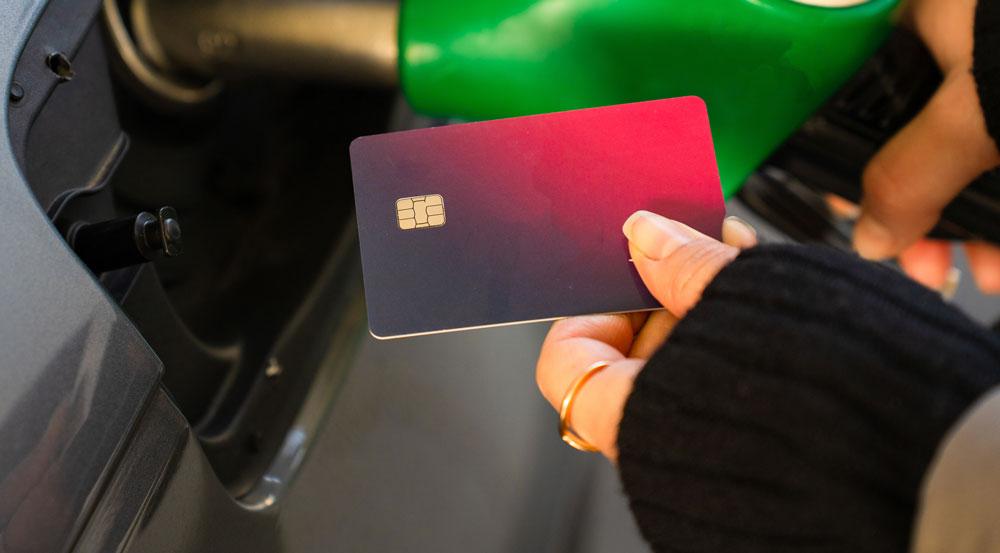
At their most fundamental level, fuel cards simplify the way businesses pay for fuel, charging and related travel services. Drivers can simply present a card at the point of purchase, removing the need for out-of-pocket spending and expense claims.
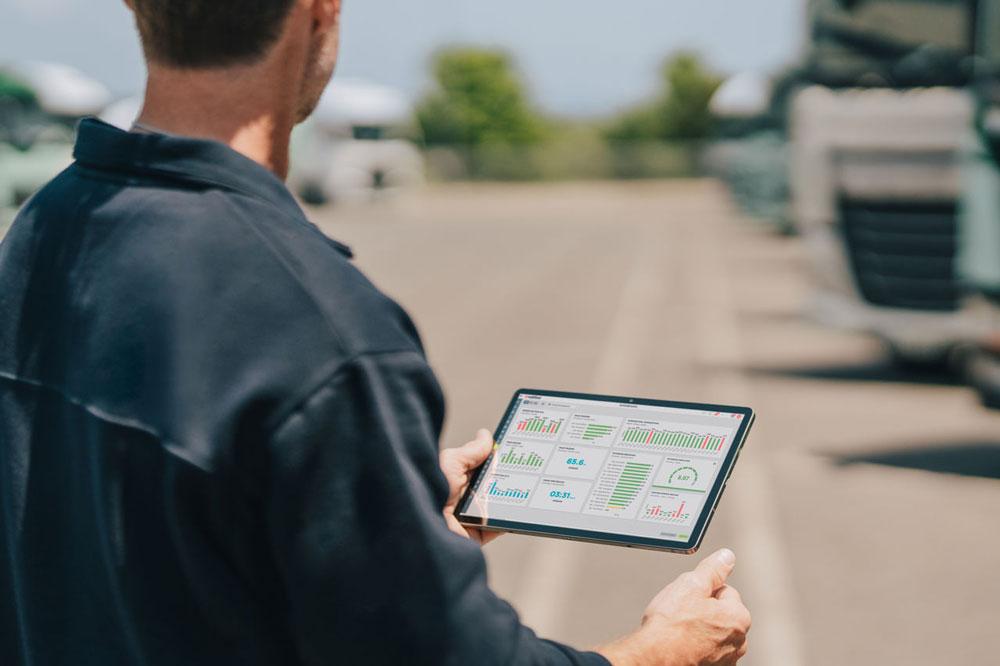
Monthly transaction reports provide a detailed breakdown of every purchase, making it far easier to track fuel expenditure, identify inefficiencies and reduce time spent reconciling receipts. Fuel cards can also prevent unauthorised spending with secure PIN and driver-specific controls.
This level of visibility and control is especially important at this time when fuel prices have risen so sharply due to the conflict in Iran.
The accessibility of fuel cards is another factor behind their growing popularity. There is no minimum fleet size requirement, meaning small organisations and even self-employed operators can benefit.
Indeed, according to Right Fuel Card, 40 per cent of fuel card users are self-employed. Over a third (39 per cent) employ under ten members of staff, while just eight per cent belong to companies of more than ten people. This trend highlights the widespread adoption of fuel cards among smaller businesses, where managing fuel expenses efficiently can be crucial for managing cash flow.
At the same time, larger organisations gain tighter control over multi-vehicle operations by assigning cards to either drivers or vehicles.
Fuel cost efficiency
Cost efficiency remains a central advantage as fuel cards often provide lower fees than standard market rates, alongside per-litre savings at the pump. Some suppliers also offer route-mapping support, helping fleet managers identify the most cost-effective refuelling or charging locations.
Crucially, fuel cards can be of real benefit when it comes to electrification. With the UK’s planned 2035 phase-out of new petrol and diesel cars and vans approaching, fuel cards are adapting, increasingly offering integrated EV charging capabilities that allow businesses to manage mixed fleets through a single platform.
Fuel cards can centralise payments across public charging networks, eliminate reimbursement processes for drivers, and provide consolidated reporting on both fuel and electricity usage. This unified view is particularly useful for organisations developing carbon reduction strategies, as many providers now include carbon emissions reporting as part of their service.
Kent Police and Essex Police, for example, have a fuel and EV payment solution supporting a fleet of more than 1,600 vehicles, including 85 electric vehicles. The programme enables officers to access a wide network of discounted fuel sites, embed cost-efficient refuelling behaviours, and utilise integrated EV charging payment solutions as the electric fleet expands. Enhanced management reporting has also delivered improved spend visibility and carbon emissions insight, supporting both operational performance and decarbonisation objectives.
Facilitating shared charging
Fuel cards are also helping organisations open up their depot charging facilities to other fleets. Welch Group for example, is working with Voltempo and Corpay so that Openreach engineers can use its charging facilities using existing EV charge cards, including Allstar Chargepass, within a single, streamlined billing relationship.
Meanwhile chargecard provider Paua has integrated Fleete’s new electric HGV charging hub at the Port of Tilbury into its network, giving fleet operators access to its truck charging sites. Truck and van drivers using Paua can now turn up, charge, and pay using a single solution, without needing separate accounts or cards.
A procurement framework for fuel cards
For public sector fleets, the Government Commercial Agency, previously the Crown Commercial Service, has launched a framework to support them with buying fuel cards - known as 'Fuel Cards and Associated Services VII'.
Purchasing through the framework provides public sector buyers with faster, legally compliant and cost-effective procurement. Benefits include vetted suppliers, aggregated buying power for better value, simplified tender processes and adherence to Procurement Act 2023 standards.
Available for an initial four-year term, with the option to extend for a further year, the 'Fuel Cards and Associated Services VII' agreement offers a range of financial and operational benefits. These include reduced fees and charges compared with standard market rates, fuel savings through discounts on pump prices and charging, and supplier support to identify the most cost-effective refuelling routes.
Fleet managers can also use the framework to improve cost control and, where required, purchase fuel in bulk for storage at designated sites.
A key management tool
As fleets adapt to rising fuel costs, tighter budgets and the transition to electric vehicles, fuel cards are evolving into a key management tool rather than simply a payment method.
Modern fuel card platforms now help organisations control costs, streamline administration, manage mixed fuel and EV fleets, and track carbon emissions through integrated reporting and charging solutions.
With public sector procurement frameworks also making fuel card services easier and more cost-effective to access, the solution is playing an increasingly important role in supporting both operational efficiency and net-zero ambitions.