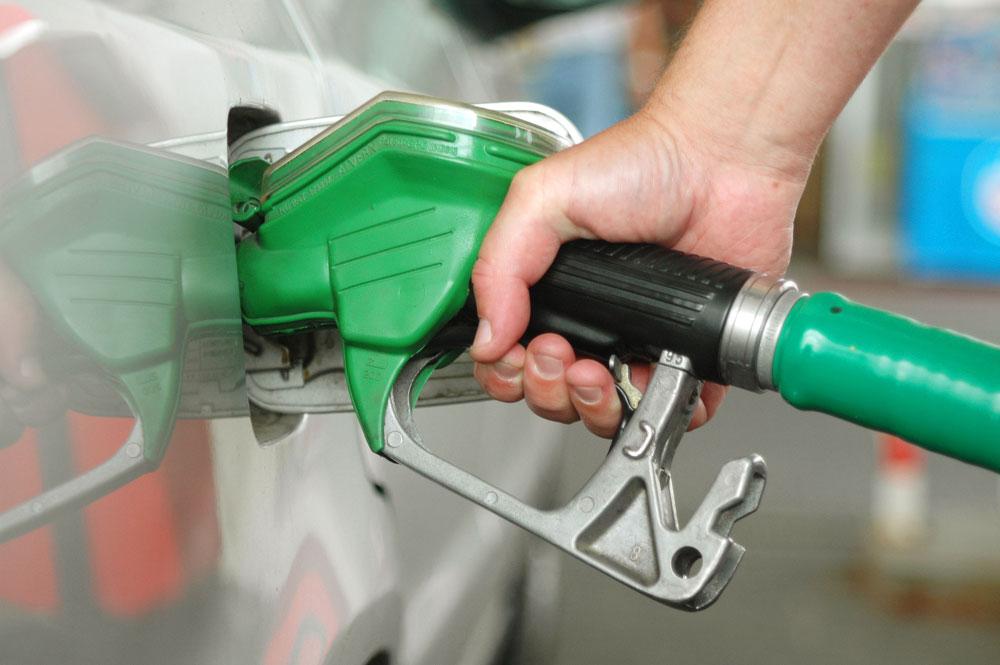
Fleet technology company Webfleet is urging businesses to tackle avoidable fuel waste amid high fuel prices, saying that even modest gains in fuel efficiency can help reduce operating costs.
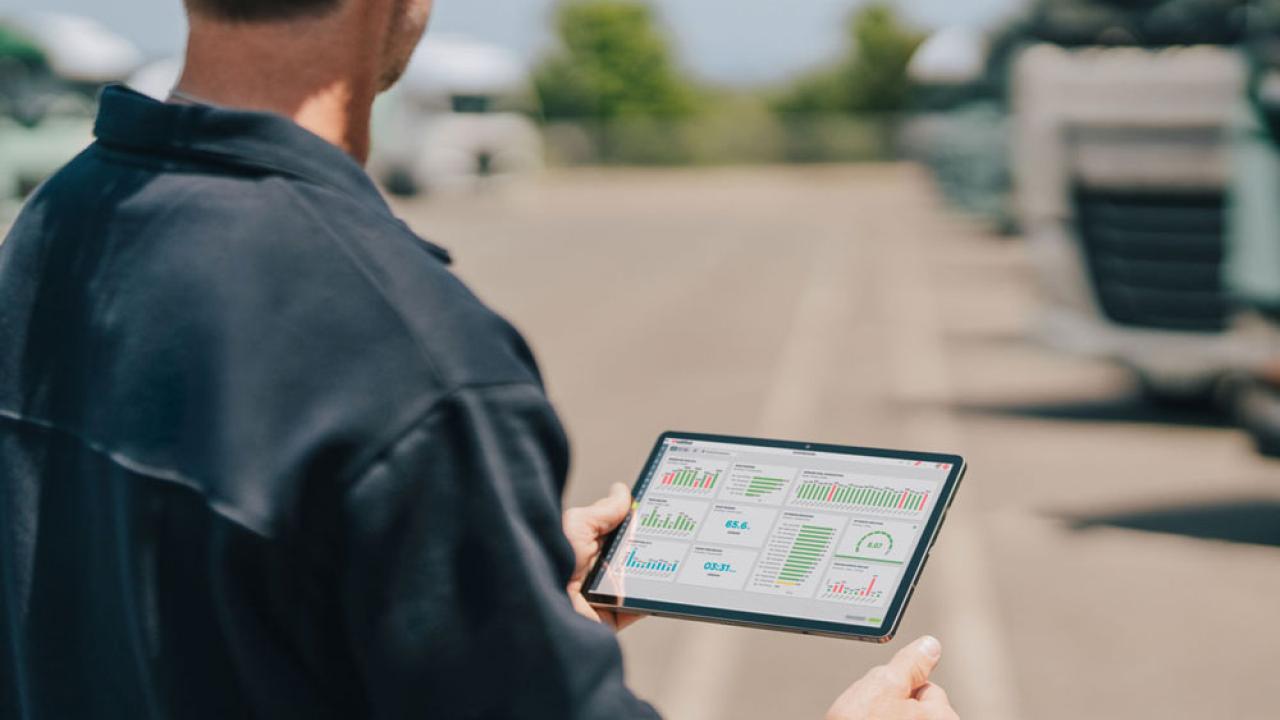
Webfleet advises using data-driven insights to reduce fuel consumption through better driving behaviour, routing, and more proactive vehicle and tyre performance management, including tyre pressure and idling.
As an example, Sanctuary Maintenance reduced fuel consumption by 25% in two months using Webfleet technology. By using data to show the link between driving style and fuel use, the provider of building services and maintenance was able to raise driver awareness of how everyday behaviour affects costs, leading to rapid savings.
Coviran, a European grocery retail cooperative, saved more than 159,000 litres of diesel in a year by improving driving behaviour and implementing professional navigation. This helped drivers take more efficient routes, while supporting more consistent driving across daily deliveries.
For WGM, a UK-based engineering and utilities services company, tackling idling was a priority. After using Webfleet’s OptiDrive 360 for 12 months, WGM reduced idle time by three minutes per vehicle per day, alongside correcting other inefficient driving behaviours. Together, these changes contributed to a 22% reduction in fuel consumption.
“Fuel prices are outside a fleet’s control, fuel efficiency is not,” said Jan-Maarten de Vries, President Fleet Management Solutions at Bridgestone. “Periods of volatility often expose existing inefficiencies. The fleets that respond best are those that understand where fuel is being wasted so they can take clear-minded action that improves performance.”
According to Webfleet’s Fleet Digitisation Report, more than half of fleet managers cite reducing operational costs and improving efficiency as their top priority, with fuel representing one of the largest cost areas. Many fleets still have scope to cut fuel consumption in day-to-day operations.
Excessive idling, poor routing and inconsistent driving can all push up fuel use, according to Webfleet, particularly in urban and multi-drop operations. These inefficiencies often have a far greater and more consistent impact on a fleet’s bottom line than fluctuating fuel prices. With better visibility, fleet managers spot inefficiencies earlier and can act before costs escalate.
“Fuel efficiency is key to improve total cost of ownership,” added de Vries. “Fleets that make fuel management part of day-to-day operations are better prepared for price swings and better able to keep costs under control.”