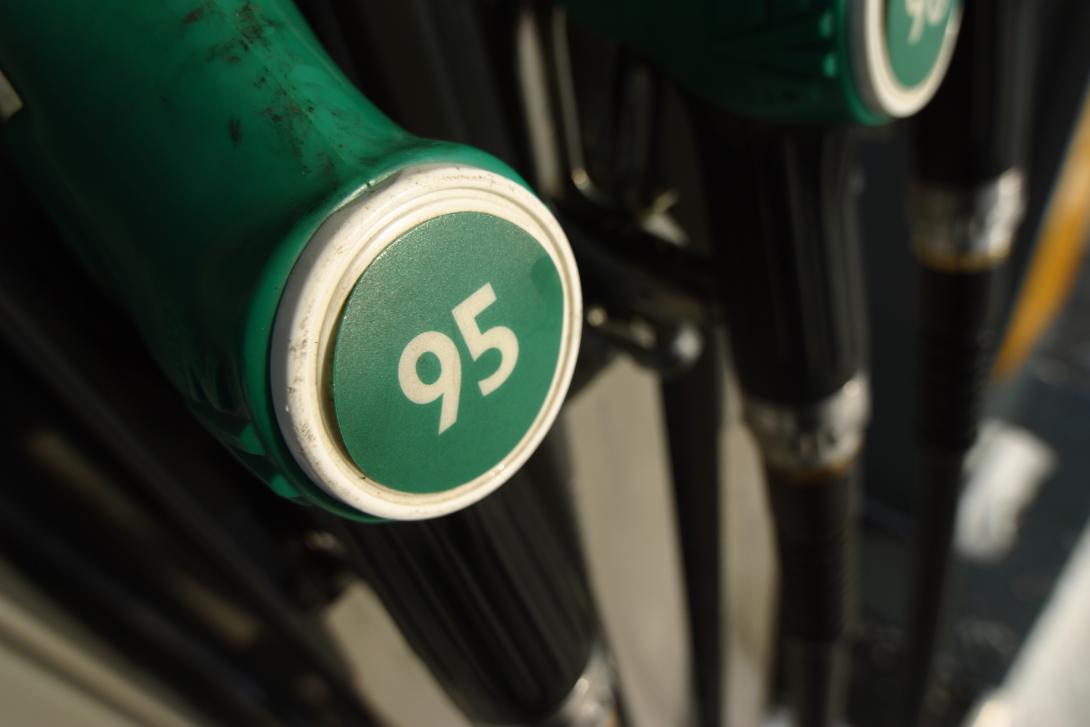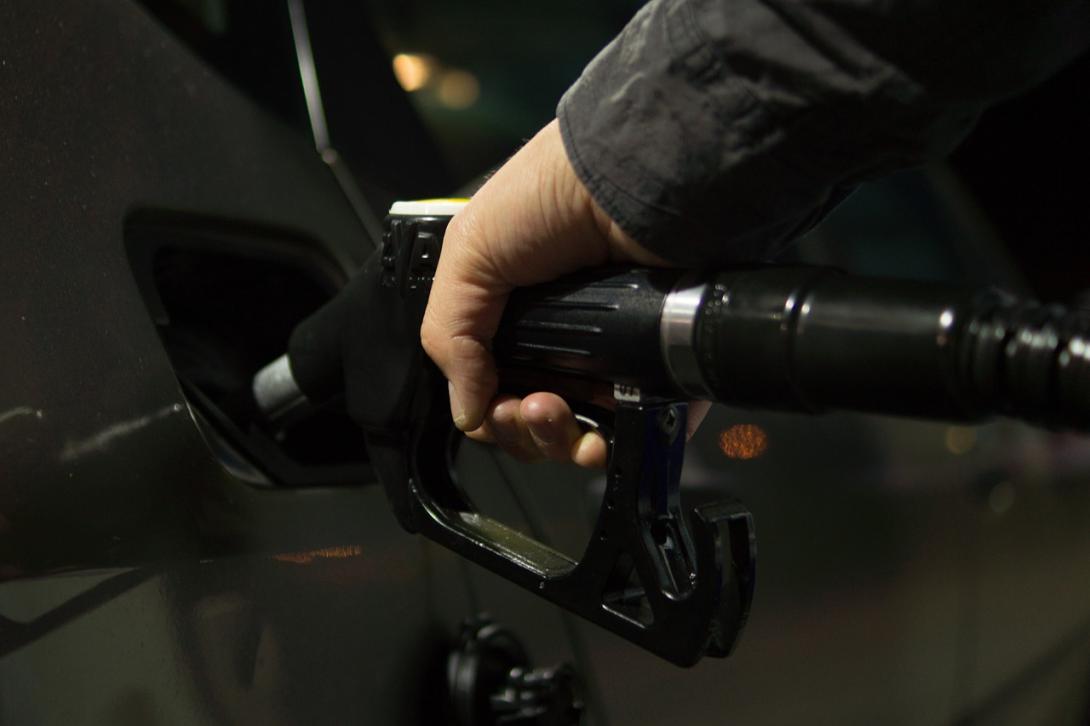
Fuel forecourts are now required to report any changes to their fuel prices within 30 minutes of those changes taking effect, under new rules that came into force on 2 February.
The requirement has been introduced to support the launch of the Government’s open data “Fuel Finder” scheme, which is designed to allow motorists to compare petrol and diesel prices more easily.
Fuel Finder brings together live fuel prices and forecourt information from across the UK, with the data made available through participating third-party apps, websites and satellite navigation systems.
The scheme follows a market study by the Competition and Markets Authority (CMA), which found that competition in the retail fuel sector had weakened in recent years. The CMA concluded that reduced competition meant drivers were paying more than they should for road fuel.
As well as helping consumers compare prices, the service is intended to help fuel retailers meet their reporting obligations, enable authorised organisations to access trusted open data, and allow the public to report issues they encounter at forecourts.
Matthew Walters, head of consultancy and customer value at Ayvens in the UK, said the increased transparency would be particularly valuable for fleet-operating businesses. He said: "While the headline savings may resonate with households, for fleets refuelling at scale the potential savings are significantly higher when even small pence-per-litre differences are multiplied across thousands of miles and vehicles.
"When this level of transparency is paired with telematics, route optimisation and wider fleet management tools, it supports far smarter route planning, tighter cost control and more consistent driver behaviour. Crucially, it also gives fleet operators the data they need to evidence decisions and take a more proactive approach to managing one of their largest variable costs."
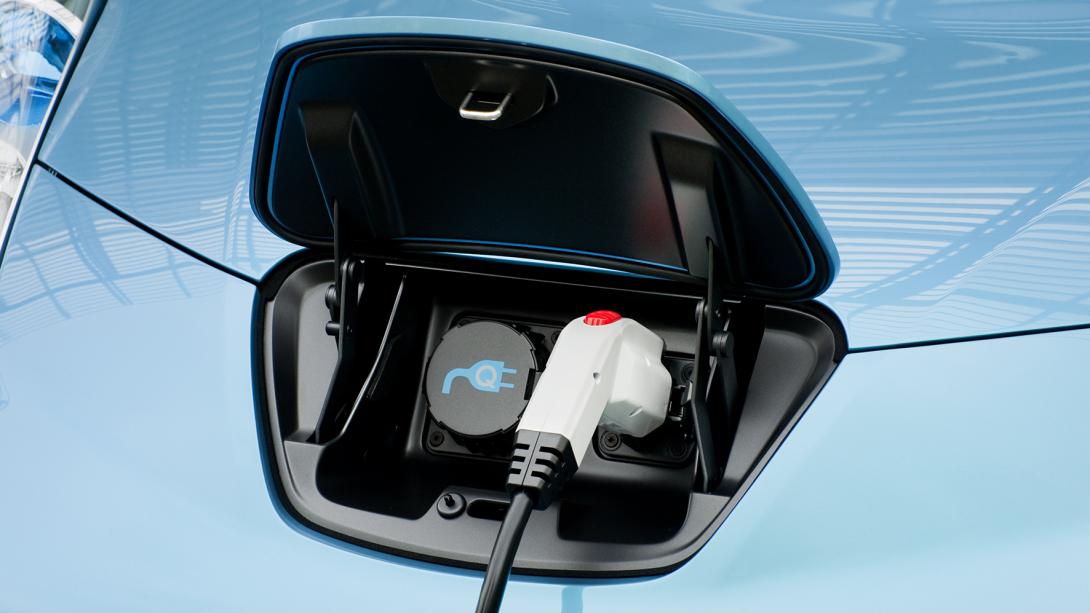
Matthew adds: "There is a clear parallel with EVs, although we’re not quite at the same point yet. While apps such as Zapmap provide helpful indicative pricing and availability, there remains inconsistency in how charging costs are displayed and applied across the public charging network. For fleet operators, greater standardisation and transparency in public charging pricing would be a welcome next step, helping businesses plan with confidence as electrification continues to scale."