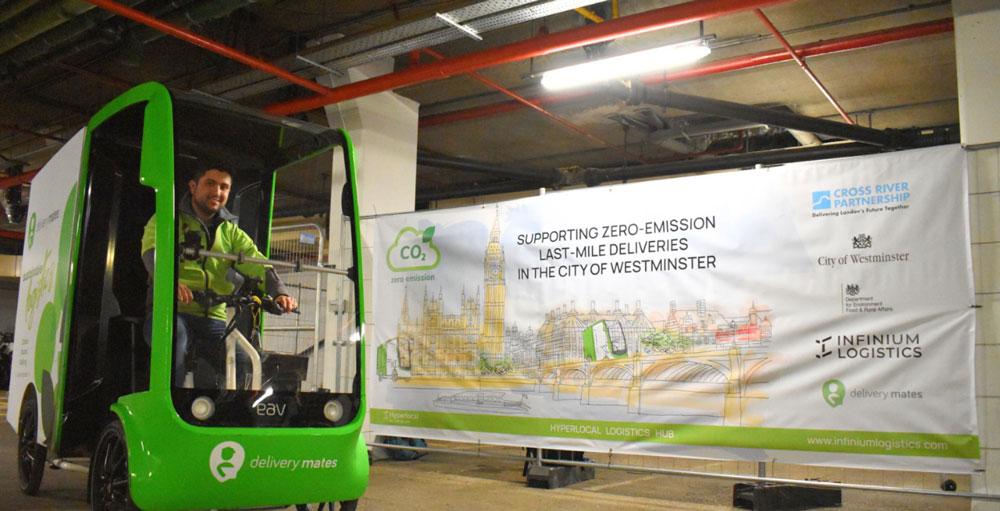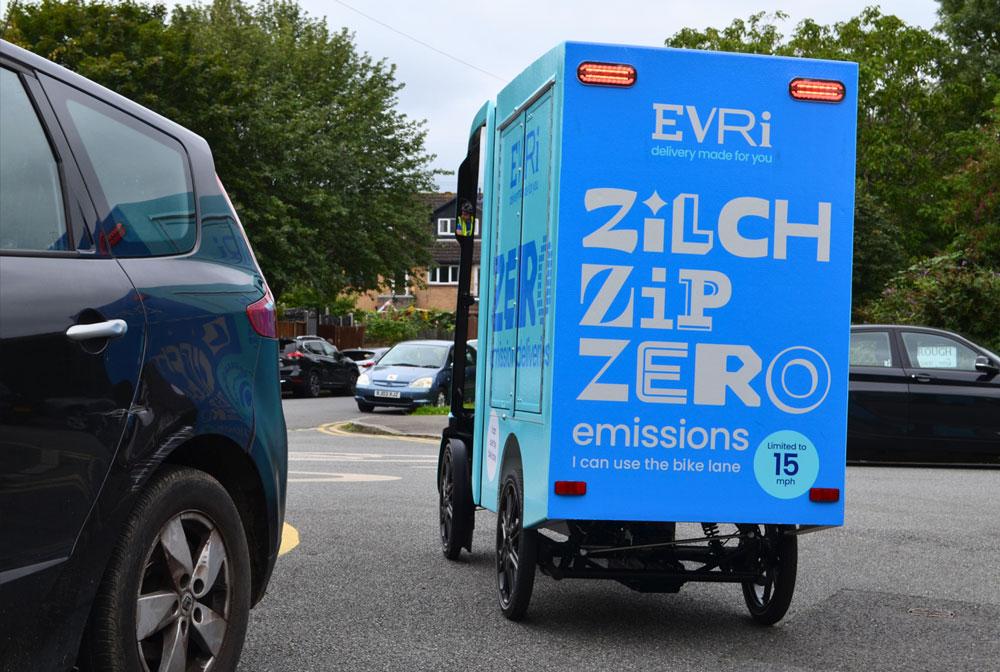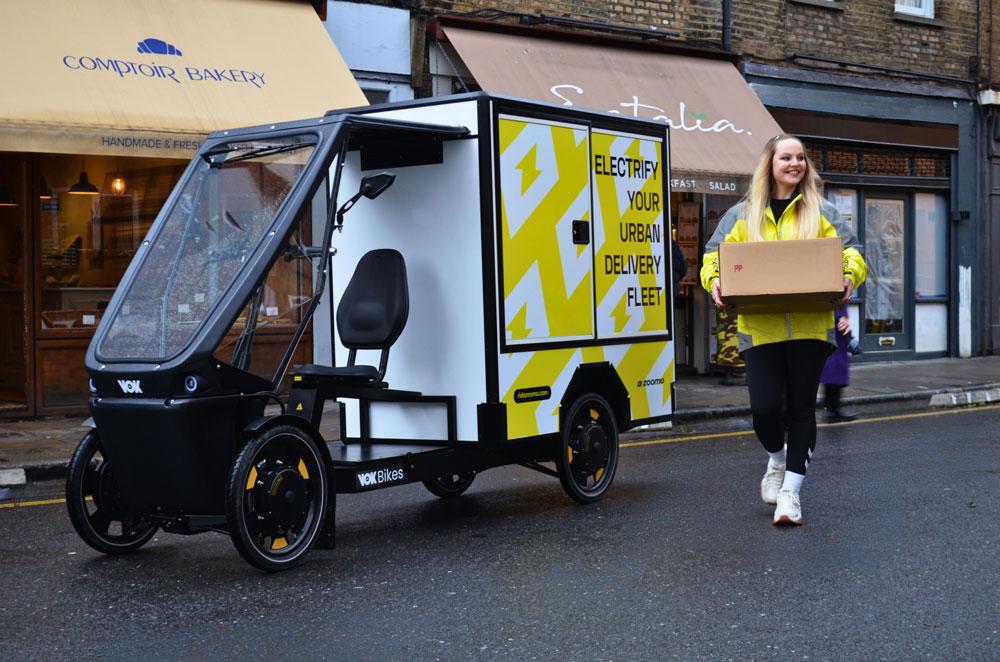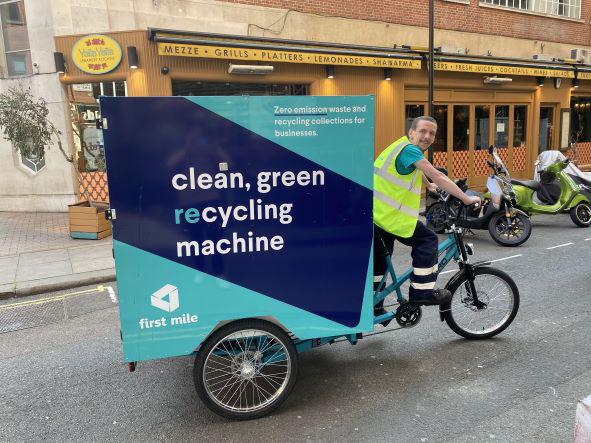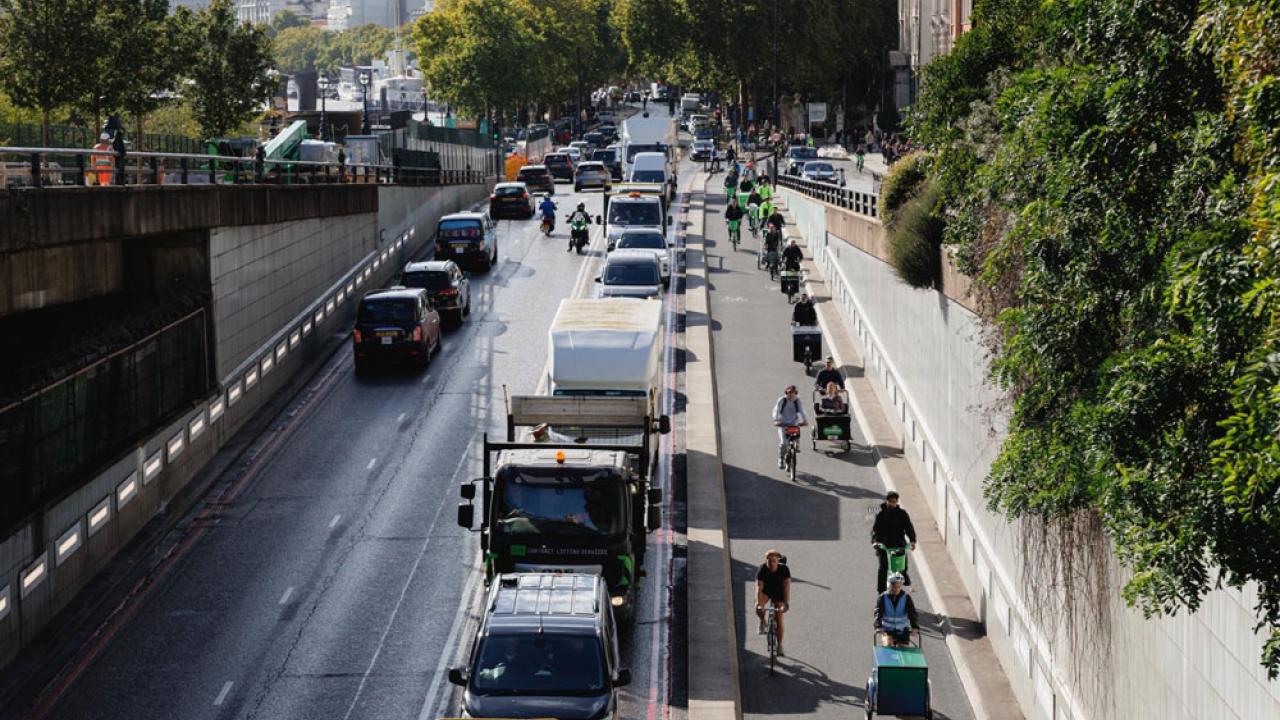
More than 50 cargo bikes will sweep through central London on Wednesday 30 September to highlight the growing role of cargo bikes in London and their potential to help decarbonise urban freight.
The Cruise, organised by a coalition of businesses and organisations, offers a visible demonstration of how cargo bikes are already helping to transform the way goods move around the capital in a cleaner, more efficient manner.
Research shows two very different freight stories in London. TfL counts show cargo bike use has more than doubled since 2022, up 149% in inner London. Yet the capital also has a record 100,761 company-registered diesel vans – the highest since records began.
The Cruise will also demonstrate the possibility of using London’s river for freight, with bikes crossing the river on Thames Clipper’s innovative new fully electric cargo boat.
Transport for London’s cycle count data shows that cargo bike use increased across London by 126% between 2022 and 2025. The highest growth was in inner London, where use increased by 149%.
The increase reflects the growing role that cargo bikes are playing in London’s streets, with businesses using them to transport everything from food and parcels to equipment and goods.
Recent analysis by Clean Cities has found that diesel vans are now the biggest road source of NOx emissions in central and inner London, underlining the importance of finding cleaner alternatives for urban deliveries.
The Cruise is being organised by Team London Bridge, Clean Cities, and MP Smarter Travel.
Zak Bond, Campaign Manager at Clean Cities, said: “Cargo bikes are already transforming how some businesses make deliveries across London. But the capital’s growing diesel van fleet shows that progress in cleaning up urban freight has stalled. Policy needs to catch up and create the conditions for cleaner delivery options to scale. A zero emission zone for freight in central London would help phase out the dirtiest vans while giving businesses the certainty and support they need to switch to cleaner deliveries.”