Research by the Centre for Economics and Business Research (Cebr), commissioned by the Open Road Partnership, finds that while electric vehicles can deliver lower running costs and significant longer-term savings, the ability of SMEs to realise these benefits varies significantly depending on their access to charging, financing and upfront investment.
With a Government decision on the future trajectory of EV sales targets expected imminently, the Open Road Partnership warns that a successful transition must reflect the practical and financial realities facing businesses, ensuring that SMEs have a viable route to electrification alongside larger fleet operators.
The analysis examines three illustrative SME archetypes – a construction company operating 10 vans, a surveying business with five company cars and a sole-trader window cleaner – demonstrating how significantly the costs and practicalities of transition can vary between businesses.
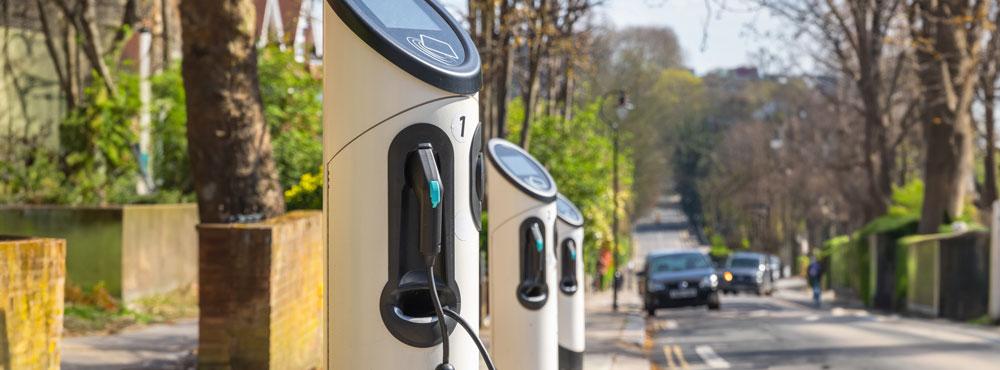
It finds that the economics of transition are heavily influenced by access to charging infrastructure, financing and the ability to absorb upfront investment. For the modelled construction business, access to private charging could unlock savings of around £42,000 over five years compared with diesel. However, relying on public charging instead could cost the business £110,000 more over the same period, including the cost of lost productive output. In this time, the cost gap between the business installing private charging and relying on public charging could reach £150,000.
The research also finds that a medium-sized business opting for a new 10-van electric fleet over diesel could face £15,500 in additional costs in the year of purchase, driven primarily by the upfront investment required for vehicles and charging infrastructure.
Relying on public charging for the same fleet could result in more than £23,800 of lost productive output each year, as vehicles and employees spend working time travelling to and using public chargers.
Access to private charging can unlock longer-term savings. For the modelled 10-van business, annual costs fall below diesel from 2027, with the business expected to break even by 2028 and save around £42,000 over five years.
Financing can help SMEs spread the initial investment but may eliminate the longer-term savings from switching to electric. For the modelled sole trader, financing an electric van would leave the business around £100 worse off after five years than buying a diesel van outright today.
The Open Road Partnership, comprising United Rental Group, Zenith, Enterprise Mobility and Vertu Motors, said the findings underline the need for a transition that works for businesses of different sizes, operating models and investment cycles.
It is calling on Government to use its review of the ZEV Mandate to establish a realistic and achievable trajectory for new electric car and van sales, alongside stronger measures to stimulate demand and help businesses make the switch, such as accelerating access to affordable and reliable charging and addressing barriers to installing depot infrastructure.
It also calls for SMEs to have more time and flexibility to electrify their fleets in line with their investment and vehicle replacement cycles.
The Partnership warns that, without these measures, small and medium businesses will be left behind – leaving only those with the capital and infrastructure to invest early able to make the switch.
Cebr's analysis compares the costs of electric and internal combustion engine vehicles across a five-year period, incorporating vehicle purchase and financing, insurance, charging infrastructure, taxation, grants, fuel and electricity, servicing and maintenance, and the potential opportunity cost associated with public charging.
The research concludes that while EVs can provide lower running costs and longer-term savings, higher upfront costs and cash-flow pressures can make the timing of the transition particularly important for SMEs. The Partnership notes that ensuring businesses can access the infrastructure, financing and support needed to make the switch will be critical to delivering a successful transition for businesses of all sizes.
Per Voegerl, Chief Executive of the United Rental Group, said: “Small and medium businesses are ready to play their part in the EV transition, but for many, the economics of making the switch simply don’t stack up yet. The challenge isn't whether to electrify, but how quickly businesses can realistically make the transition."
A spokesperson for the Centre for Economics and Business Research said: “The transition to EVs is an investment, and one that can deliver considerable cost savings over time. However, as our analysis has shown, the transition can bring sizeable upfront costs, something that many small and medium-sized businesses will struggle to absorb.
“Ensuring SMEs can embrace the EV transition will require targeted support to address these barriers, alongside greater flexibility to spread investments over time and make the switch at a pace that works for their business.”