Only three of 40 major European cities currently meet the European Union’s revised air pollution limits, according to a new study by environmental group Clean Cities.
Copenhagen, Greater Stockholm and Greater Helsinki were the only cities to meet the new standards for both nitrogen dioxide (NO₂) and fine particulate matter (PM₂.₅), earning the top grade in the organisation’s 2026 Free to Breathe Ranking.
The findings reveal a significant regional divide, with Nordic cities performing strongly while cities across Southern and Central and Eastern Europe lag behind. Athens and Bucharest ranked at the bottom, with Athens recording the highest average nitrogen dioxide levels at 37.6 micrograms per cubic metre.
Of the 40 cities assessed, 37 would fail at least one of the four revised EU pollution limits, while 18 would fail all four. The new standards are expected to be incorporated into national law by December 2026, with compliance required by 2030.
However, the study also highlights progress in cities including London, Paris and Stuttgart, where measures such as low-emission zones, electric buses, school streets and improved cycling infrastructure have helped reduce pollution.
Greater London’s Ultra Low Emission Zone (ULEZ), Stuttgart’s environmental zone and policies encouraging cycling across Greater Paris were among the initiatives credited with significant reductions in nitrogen dioxide over the past decade.
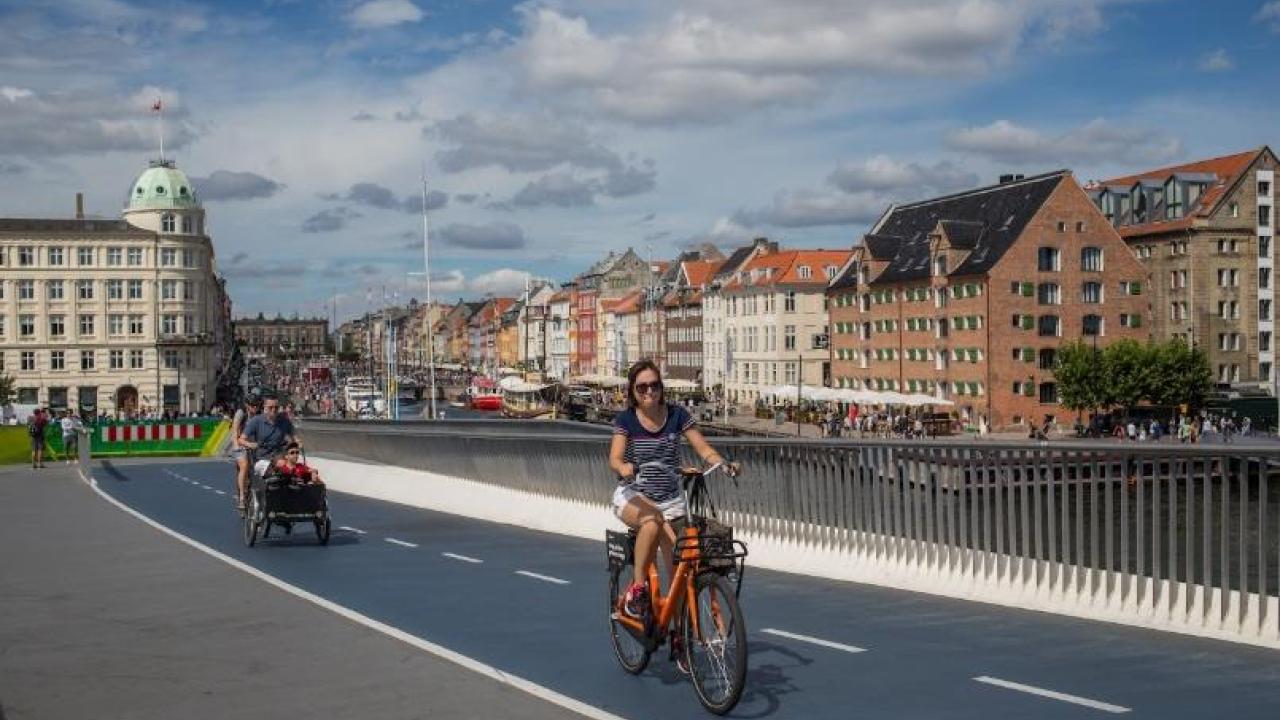
Clean Cities founder and senior director Barbara Stoll said: “People in Central, Eastern and Southern Europe should not have to accept dirtier air because their city leaders have failed to act. Athens has seen little improvement in air quality over the past decade, and also performs poorly in our research on the policies needed to tackle transport pollution. In contrast, Copenhagen has delivered a fully electric bus fleet, a well-functioning Low-Emission Zone, excellent cycling infrastructure and school streets.
“Air pollution is not inevitable. Our research shows that cities can make a real difference through strong leadership. Crucially, improving air quality doesn’t always require major financial investment. Our study highlights that cities can make meaningful progress through affordable measures such as expanding cycling networks and introducing school streets.”
The report comes as EU member states prepare to implement the revised Ambient Air Quality Directive, which aims to bring pollution levels closer to World Health Organization recommendations.
Through its new Free to Breathe campaign, Clean Cities is urging governments and local authorities to accelerate action and introduce clear plans to tackle urban air pollution.