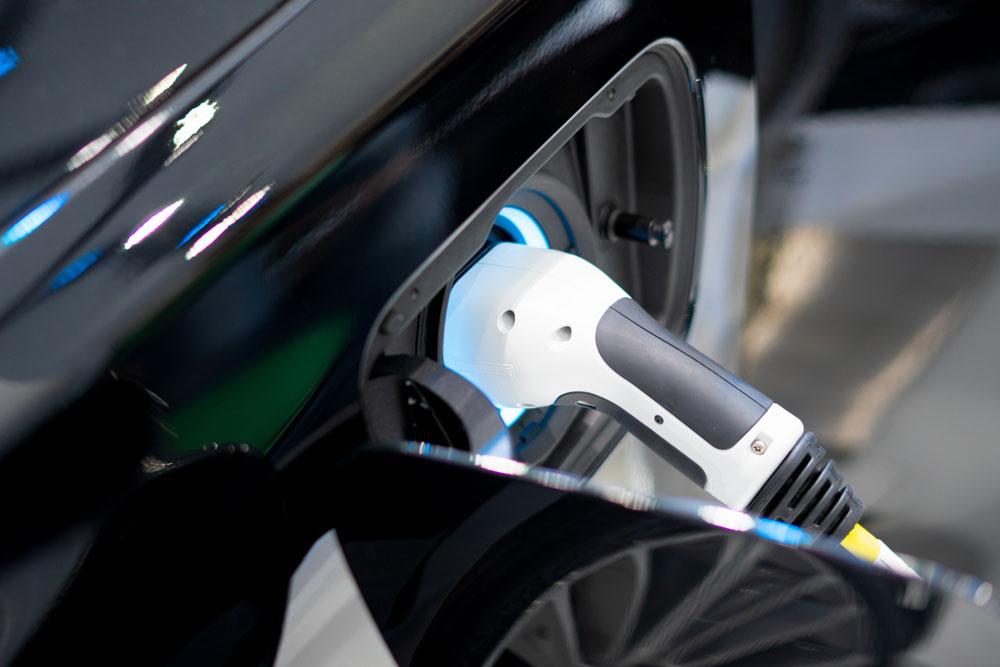
EV charging issues remain the biggest barriers to electric car adoption by fleets, accounting for three of the top five responses mentioned by respondents in Arval's 2026 Mobility Observatory Barometer.
The Barometer shows 41% say there are insufficient chargers – exactly the same percentage as last year – while 41% also report not enough employees have charging solutions at home, a slight increase on 2025’s 39%.
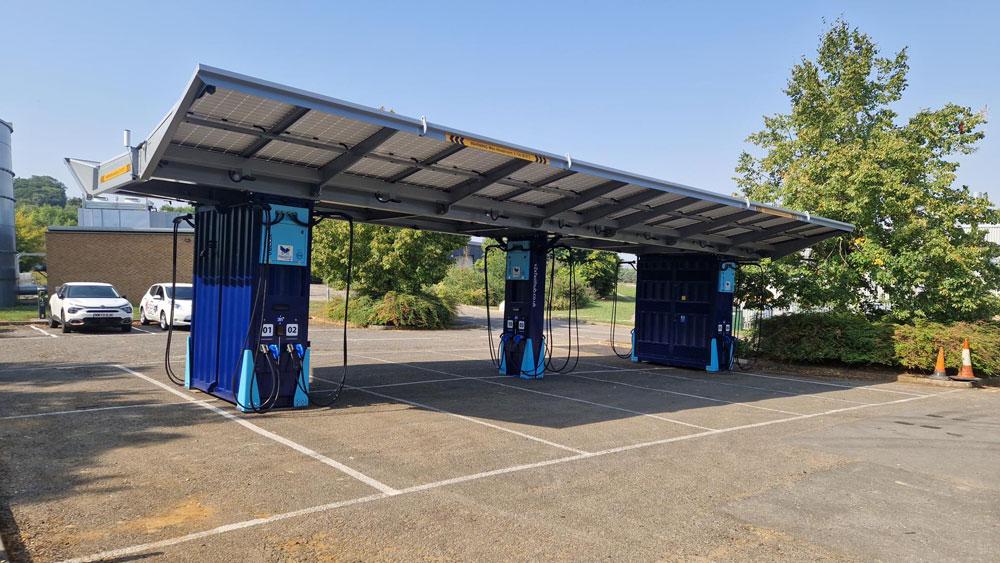
Furthermore, 27% have no charging at their company premises, again a little worse than last year’s report, which showed 25%.
John Peters, Head of Arval Mobility Observatory in the UK, said: “On the face of it, these results are disappointing and I suspect, across the fleet sector, we would all like to see more progress being made.
“However, they must be viewed in context of the rapid rise in electric car numbers on fleets. Clearly, charging capacity on the road, at offices and at homes is increasing quickly all the time and perceived shortfalls are largely a result of increasing demand. It might be more accurate to say that charging remains an issue of proportions
There undeniably remain specific problems, he added. For those living in terraced housing or apartments, availability of charging facilities is poor and while solutions such as pavement gullies are starting to be adopted in a few places, they are not without drawbacks, while the main alternative of public charging often suffers from patchy provision and high prices.
“In our view, these weaknesses in infrastructure probably remain the leading impediment to electrification for most businesses,” John said.
The Arval Mobility Observatory Barometer also shows that 33% believe their purchase price remains higher than an ICE equivalent, compared to 30% in 2025, while 30% report that available model ranges are too limited, versus 23%.
“These findings are surprising. The prices of electric cars continue to fall while the availability of the government’s electric car grant has further improved affordability. In many areas of the market, there is close to price parity with petrol equivalents. Also, while some gaps persist, electric options now exist in almost all sectors of the market and at most price points.”
Only in limited areas are respondents reporting improvements. There is some recognition car range is becoming less of an issue at 16% today compared to 18% in 2025 while employee resistance against electric car adoption is also falling, at 11% versus 16%.
“It’s certainly good news that fewer company car drivers are now against the idea of going electric, something no doubt aided by the fact that with two million EVs now on UK roads, they are becoming an everyday sight. Also, with ranges of 300 miles and higher becoming common, there are few restraints on mileage.”
Finally, results from the UK across almost all the factors covered in our research are within a few points of both European and global averages for the 2026 Arval Mobility Observatory Barometer.
John said: “This suggests the issues we are seeing here are symptomatic of electric car adoption everywhere. Everyone is taking a similar journey.”