
Charity TyreSafe explores how poor tyre management quietly drives up costs, undermines efficiency and increases safety risks
Fleet operators are under pressure from every angle – rising costs, tighter regulation, and the shift to electric vehicles. Yet one of the biggest risks to safety, efficiency and cost control is still hiding in plain sight. Tyres.
Often treated as a routine maintenance item, tyre safety is rarely given the strategic attention it deserves. But the data tells a different story.
An estimated one in three road traffic incidents involves someone driving for work. Every week in the UK, more than 200 people are killed or seriously injured in work-related road incidents – and tyre condition is frequently a contributing factor.
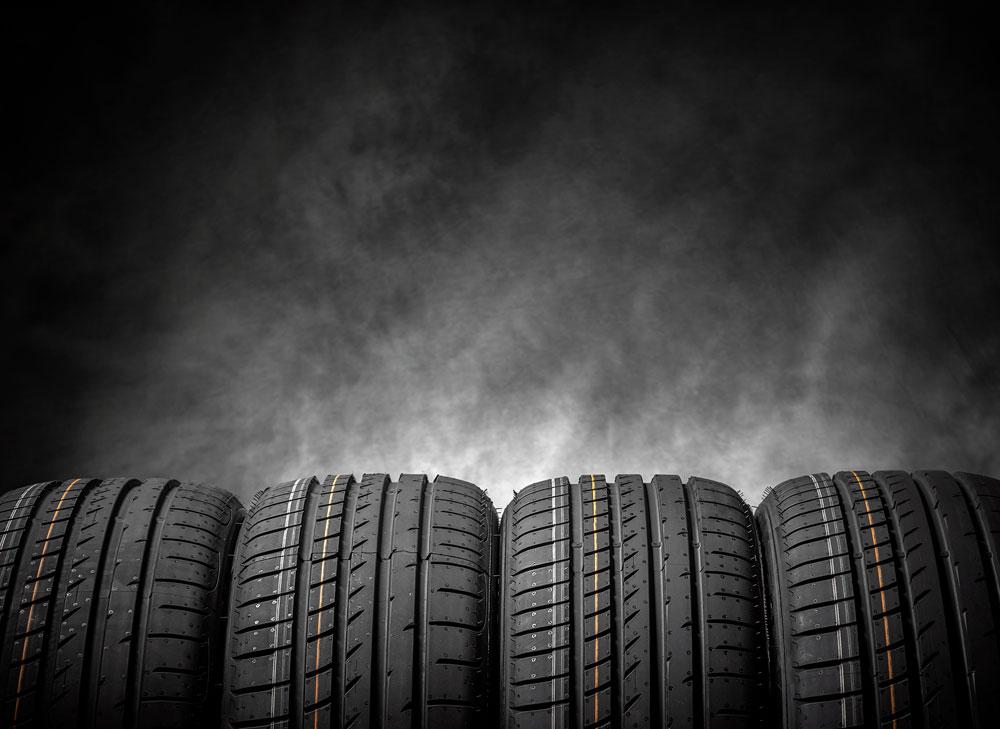
Four small contact patches. That’s all that connects a fleet vehicle to the road. When they fail, everything else follows.
The hidden cost sitting on your fleet
Let’s be clear – tyre safety isn’t just about compliance. It’s about cost. Underinflated tyres quietly drain efficiency. Increase rolling resistance, and suddenly vehicles need more energy to do the same job.
The impact may seem marginal – around a three per cent drop in fuel efficiency from tyres just 20 per cent underinflated – but scale that across a fleet, and it becomes significant.
A single vehicle driving 20,000 miles a year could waste over £100 in fuel. Multiply that across 100 vehicles, and you’re looking at £10,000+ lost annually, without factoring in increased tyre wear, breakdowns or downtime. In an industry focused on optimisation, this is low-hanging fruit.
Compliance is the floor, not the ceiling
Fleet operators already carry clear legal responsibilities. Under UK health and safety legislation, businesses must ensure vehicles used for work are safe and roadworthy.
Failing to do so isn’t just risky, it’s expensive. Fines can reach £20,000, not to mention the reputational fallout of a serious incident.
Drivers, too, are accountable. Illegal tyres can mean £2,500 and three points per tyre.
But focusing purely on compliance misses the bigger point. The real question isn’t “are we meeting the minimum?” It’s “are we managing risk effectively?”
Electric vehicles change the game, and raise the stakes
The transition to electric fleets is accelerating, but it brings new tyre challenges that many operators are still catching up with. EVs are heavier. Often by 200-400kg. That extra weight puts more strain on tyres, increasing wear and raising the stakes if something goes wrong.
They also deliver instant torque. Great for performance but tougher on tyres. And with near-silent operation, tyre noise becomes far more noticeable, changing expectations around comfort.
This isn’t just a spec change, it’s a mindset shift. Fleet operators need to think differently about load ratings to ensure tyres can safely handle increased weight, as well as rolling resistance, balancing range with safety performance. Noise reduction meanwhile improves driver experience and reduces fatigue.
Get it right and tyres can enhance EV performance. Get it wrong, and costs and risks climb quickly.
Small checks, big consequences
Here’s the paradox: the risks are high, but the fixes are simple. Basic tyre checks take minutes yet they can dramatically reduce incidents, costs and downtime.
The fundamentals haven’t changed; you should check pressures regularly, monitor tread depth (not just legality, but performance), inspect for damage and wear, and maintain alignment and balance.
For EVs, this becomes even more critical. Underinflated tyres can increase rolling resistance by up to 10 per cent, cutting range and accelerating wear.
In other words, poor tyre maintenance doesn’t just cost money, it undermines the entire efficiency case for electrification.
The real challenge: behaviour, not knowledge
Most fleet operators already know this. The real challenge is consistency. Tyre safety doesn’t fail because of a lack of policy, it fails because of gaps in behaviour, such as drivers skipping checks, not reporting issues and allowing small problems to become big ones.
This is where simple, repeatable frameworks matter. Campaigns like TyreSafe’s ACT message (Air Pressure, Condition, Tread) work because they cut through complexity and make action easy. The goal isn’t more information. It’s better habits.
Why partnerships matter
Tyre safety isn’t something any one organisation can fix alone. That’s why collaboration is becoming central to progress.
TyreSafe is working with organisations such as Driving for Better Business to embed tyre safety into occupational driving standards, ensuring it’s treated as a core risk, not an afterthought.
At a regional level, partnerships with local authorities and blue light organisations are helping bring enforcement and education together, identifying unsafe vehicles while reinforcing behaviour change.
This is where real impact happens: not in strategy documents, but on roads, in depots, and in daily driver decisions.
A problem that shouldn’t exist
What makes tyre safety particularly frustrating is that it’s largely preventable. A few minutes of checks can reduce incident risk, cut fuel and energy costs, extend tyre life, and improve vehicle performance.
And yet, millions of vehicles on UK roads are still running on underinflated or poorly maintained tyres. For fleet operators, the issue isn’t awareness. It’s execution.
From overlooked to operational priority
As fleets evolve to become more electrified, more data-driven, and more scrutinised, tyre safety needs to move up the agenda. It sits at the intersection of safety, cost control, and sustainability. Ignore it, and it quietly erodes all three. Prioritise it, and it becomes one of the simplest ways to improve performance across the board.
The bottom line
Tyres might not be the most exciting part of fleet management, but they are one of the most important. They are where strategy meets reality. Where cost meets safety. Where small decisions have big consequences. For fleets serious about reducing risk, improving efficiency and protecting their people, tyre safety isn’t a maintenance task. It’s a business-critical priority.